Frequently Asked Questions
How to choose a concrete contractor?
Choosing a concrete contractor involves evaluating their experience, checking references, and ensuring they have proper licensing and insurance. Look for reviews and ask for detailed estimates to ensure quality and transparency in your project.
How do you ask for a quote for concrete?
Asking for a quote for concrete is simple. You can contact us through our website's consultation form or call our office directly to discuss your project details and receive an accurate estimate.
How do you estimate a concrete job?
Estimating a concrete job involves assessing project size, complexity, and materials needed. We consider factors such as site preparation, labor costs, and any additional features to provide an accurate and competitive quote for your project.
How much do contractors charge to pour concrete?
Contractors typically charge between $3 to $10 per square foot to pour concrete, depending on factors like location, project complexity, and the type of finish required.
What qualifications should a concrete contractor have?
The qualifications a concrete contractor should have include relevant licensing, insurance, and experience in concrete work. Additionally, they should possess knowledge of local building codes and demonstrate a portfolio of completed projects to ensure quality and reliability.
How to evaluate a contractors past work?
Evaluating a contractor's past work involves reviewing their portfolio, checking references, and reading customer reviews. This will provide insight into their quality, reliability, and the range of services they offer, helping you make an informed decision.
What questions to ask before hiring?
Before hiring, it's important to ask about the contractor's experience, licensing, insurance coverage, references from past clients, and the specific services they offer. This ensures you choose a reliable professional for your home improvement project.
How long does concrete installation take?
The duration of concrete installation depends on the project size and complexity, but typically, it can take anywhere from a few hours to several days. Factors like weather and curing time may also influence the overall timeline.
What types of concrete services are available?
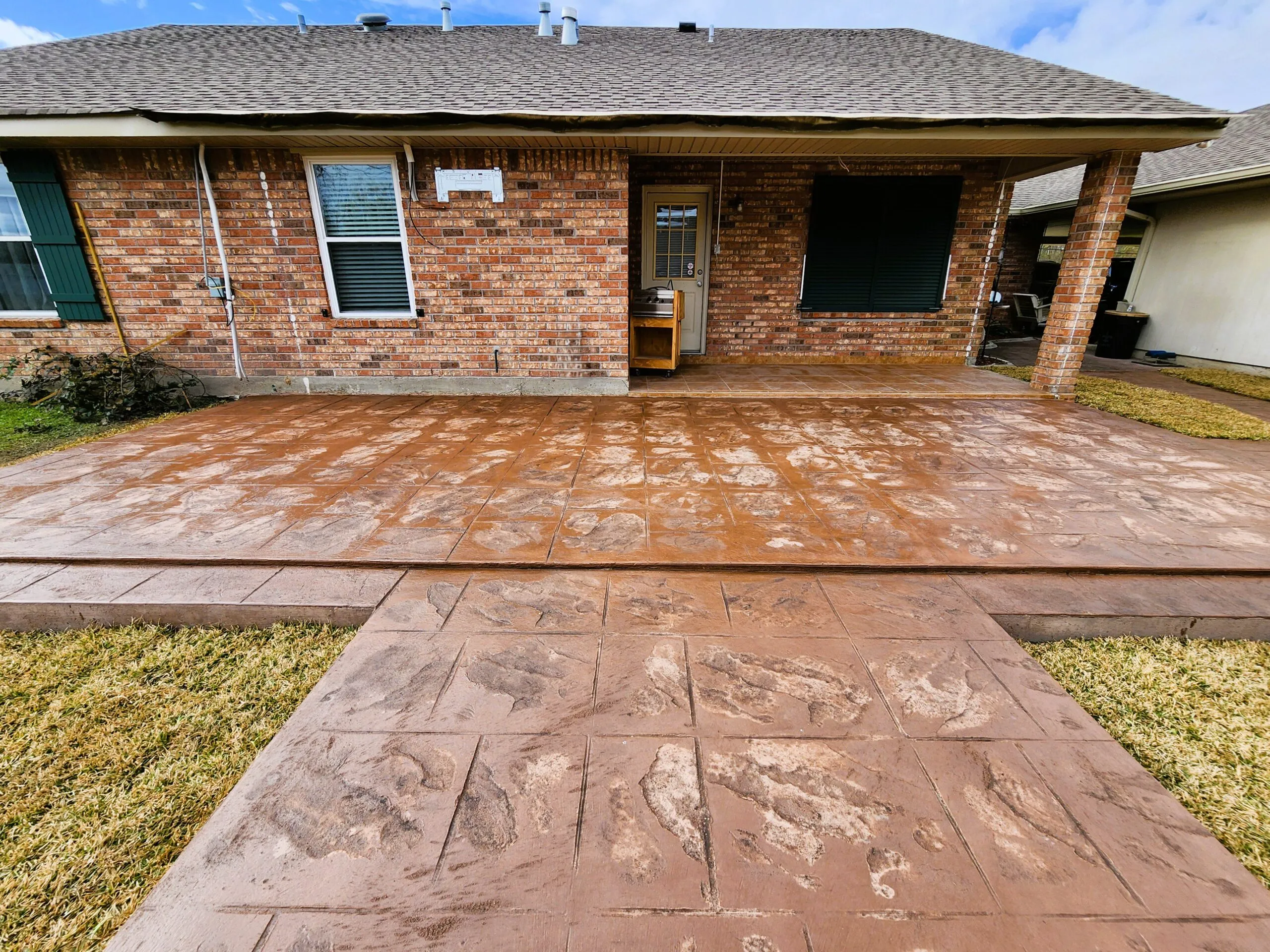
The types of concrete services available include the installation of concrete slabs for patios and sunrooms, as well as decorative options like stamped concrete. Our goal is to enhance your outdoor and indoor spaces with quality solutions.
How to determine the concrete job size?
Determining the concrete job size involves measuring the area where the concrete will be poured. Multiply the length by the width for slabs, and for more complex shapes, break them into smaller sections, then sum the total.
What permits are needed for concrete projects?
Permits needed for concrete projects typically include building permits and, in some cases, zoning permits. It's essential to check local regulations, as requirements can vary by municipality.
How can I check contractor references?
Checking contractor references involves contacting previous clients to inquire about their experiences. Ask about the quality of work, adherence to timelines, and communication throughout the project to ensure you’re making an informed decision.
What are signs of a reliable contractor?
Signs of a reliable contractor include clear communication, a solid reputation backed by reviews, proper licensing and insurance, detailed written estimates, and a commitment to timelines and quality workmanship.
How do contractors secure concrete surfaces?
Contractors secure concrete surfaces by using reinforcement methods such as steel rebar or wire mesh, applying sealants to protect against moisture, and ensuring proper curing techniques to enhance durability and strength.
What materials are used in concrete pours?
The materials used in concrete pours include cement, water, aggregates (such as sand and gravel), and often additives to enhance performance. These components work together to create a durable and strong concrete mix for various applications.
How to prepare for a concrete estimate?
Preparing for a concrete estimate involves gathering details about your project, such as the area size, desired concrete type, and any specific design features. Clear communication of your vision will help ensure an accurate estimate.
What factors affect concrete costs?
The factors that affect concrete costs include the type of concrete used, project size, labor expenses, site preparation, and any additional features like stamping or coloring. Each element contributes to the overall pricing of your concrete project.
How to find local concrete contractors?
Finding local concrete contractors involves researching online directories, reading customer reviews, and asking for recommendations from friends or family. Additionally, checking local listings and contacting multiple contractors can help ensure you choose the right fit for your project.
What is the warranty on concrete work?
The warranty on concrete work typically covers defects in materials and workmanship for a specified period, often ranging from one to five years, depending on the project and local regulations.
How often should concrete be sealed?
Concrete should be sealed every 1 to 3 years, depending on factors like exposure to weather, traffic, and the type of sealer used. Regular sealing helps maintain the integrity and appearance of your concrete surfaces.
What is the best season for concrete work?
The best season for concrete work is typically spring or fall. During these times, temperatures are moderate, allowing for optimal curing conditions, which ensures durability and quality in your concrete installations.
How does weather affect concrete installation?
Weather significantly affects concrete installation. Extreme temperatures, whether hot or cold, can alter the curing process, potentially leading to cracks or weakened structures. It’s essential to monitor conditions and choose optimal times for pouring concrete to ensure durability.
What are the latest concrete design trends?
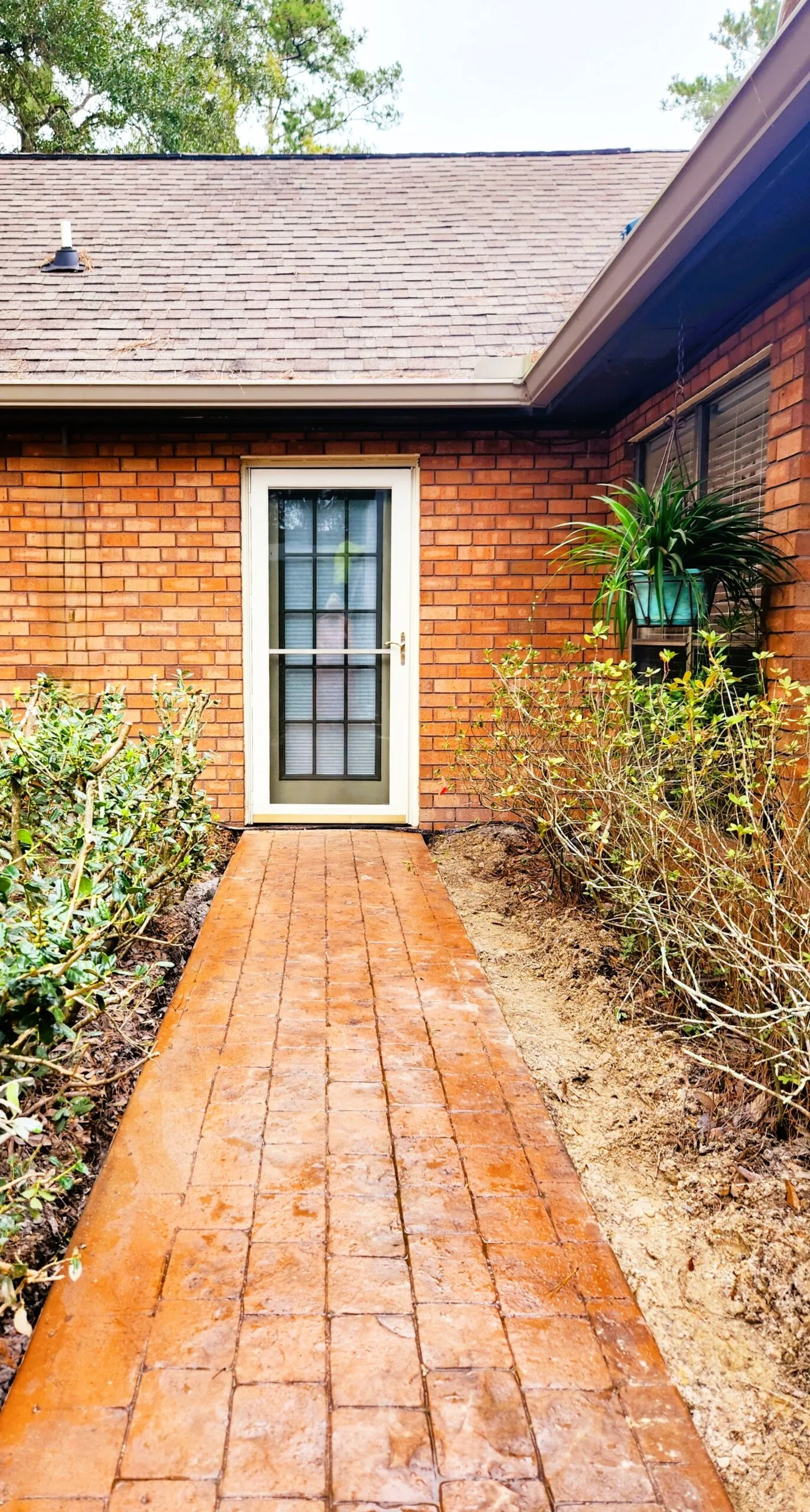
The latest concrete design trends include the use of bold colors, intricate patterns, and eco-friendly materials. Stamped and polished finishes are popular for patios and walkways, enhancing aesthetics while providing durability and functionality.
How to maintain decorative concrete surfaces?
Maintaining decorative concrete surfaces involves regular cleaning with mild soap and water, sealing every few years to protect against stains, and promptly addressing any cracks or damage to ensure longevity and aesthetic appeal.
What types of decorative concrete options exist?
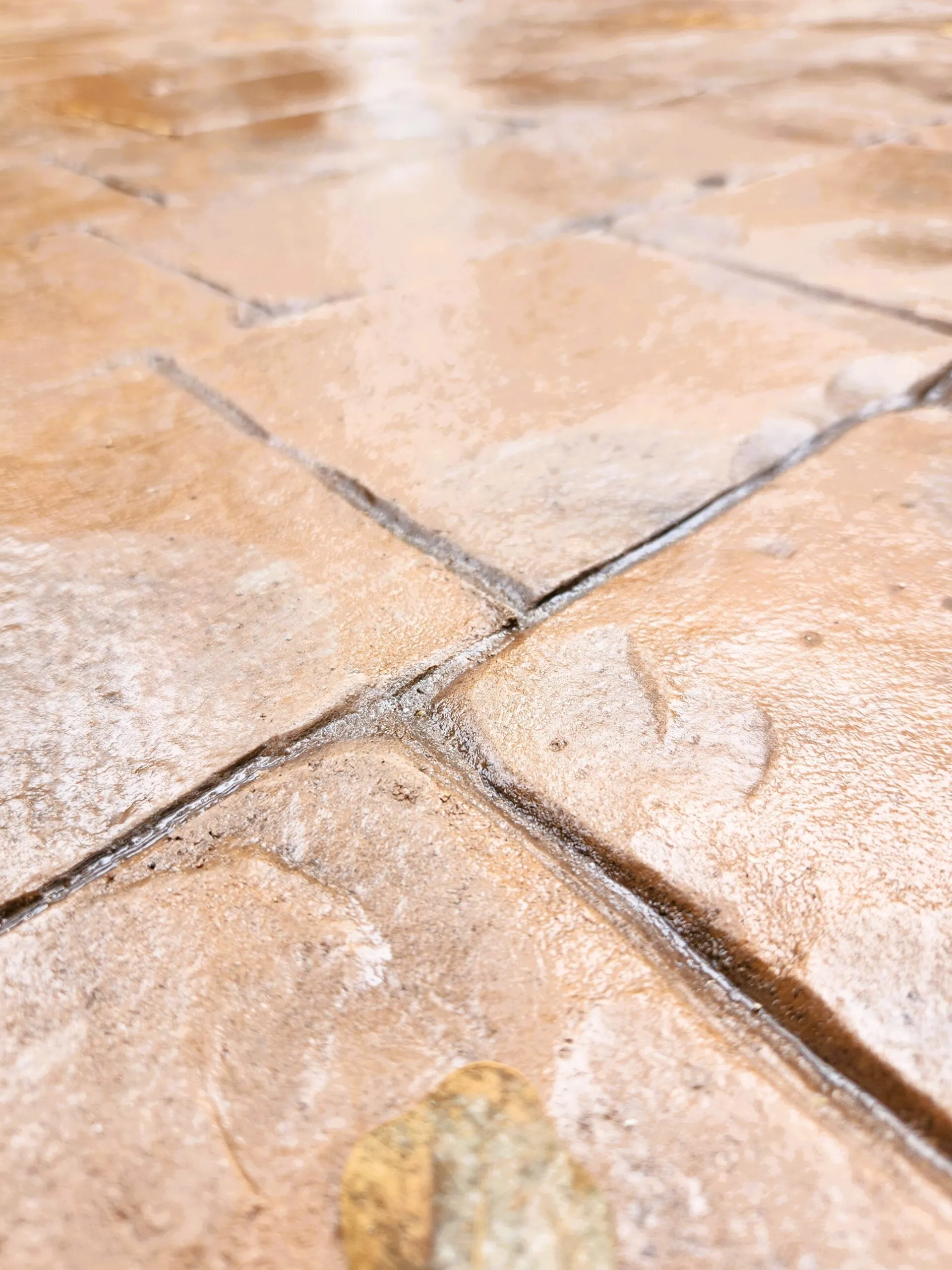
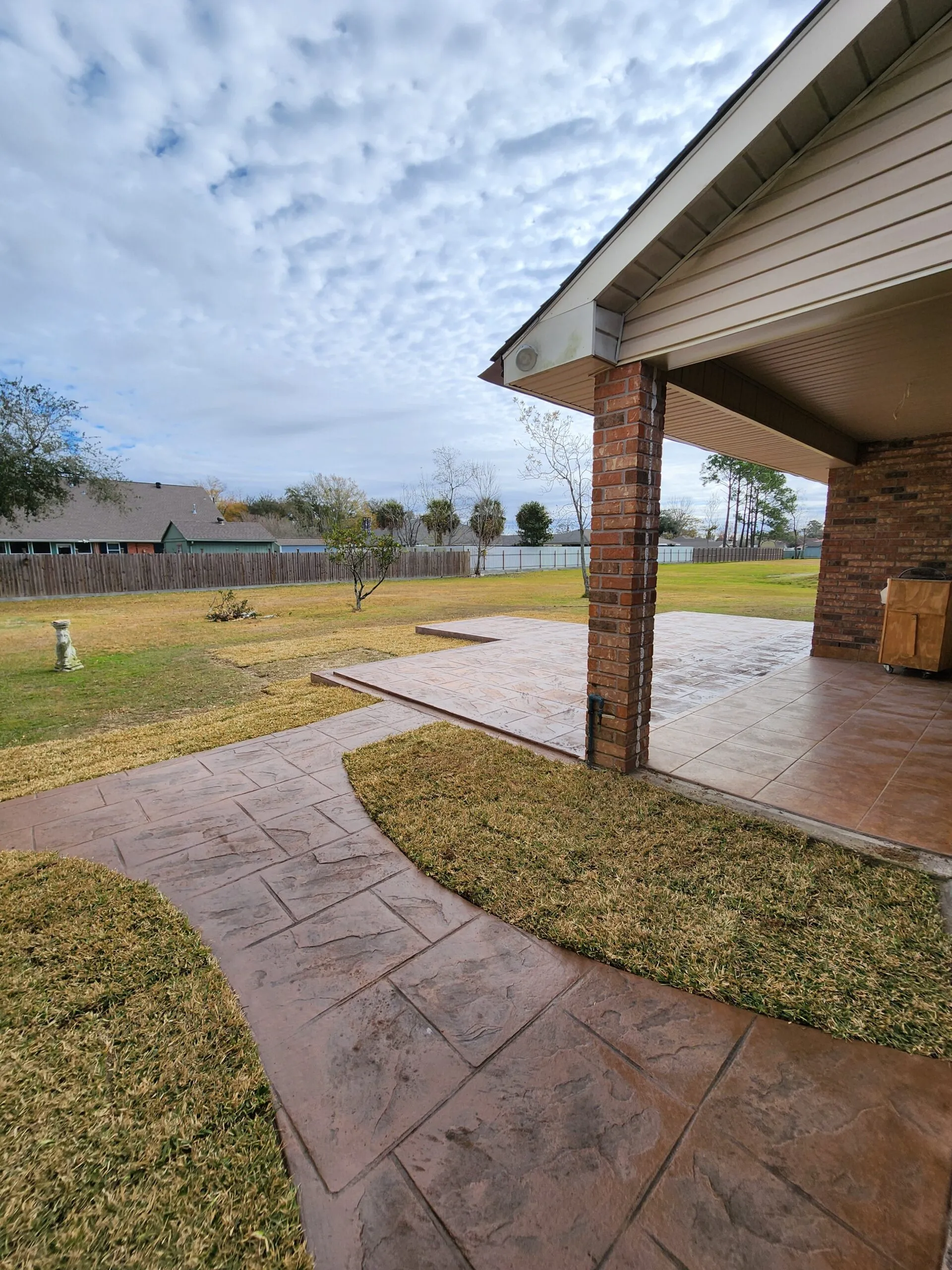
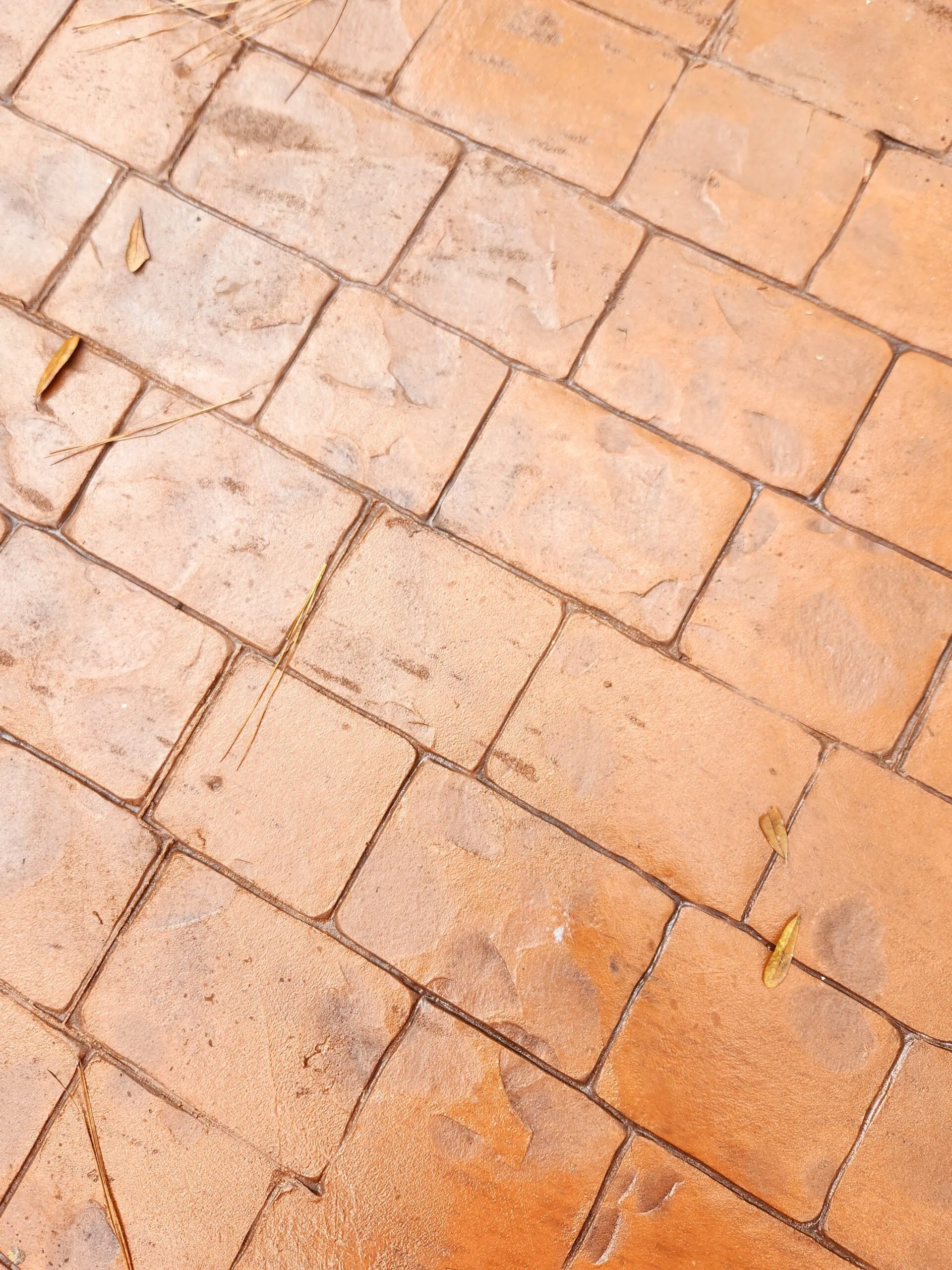
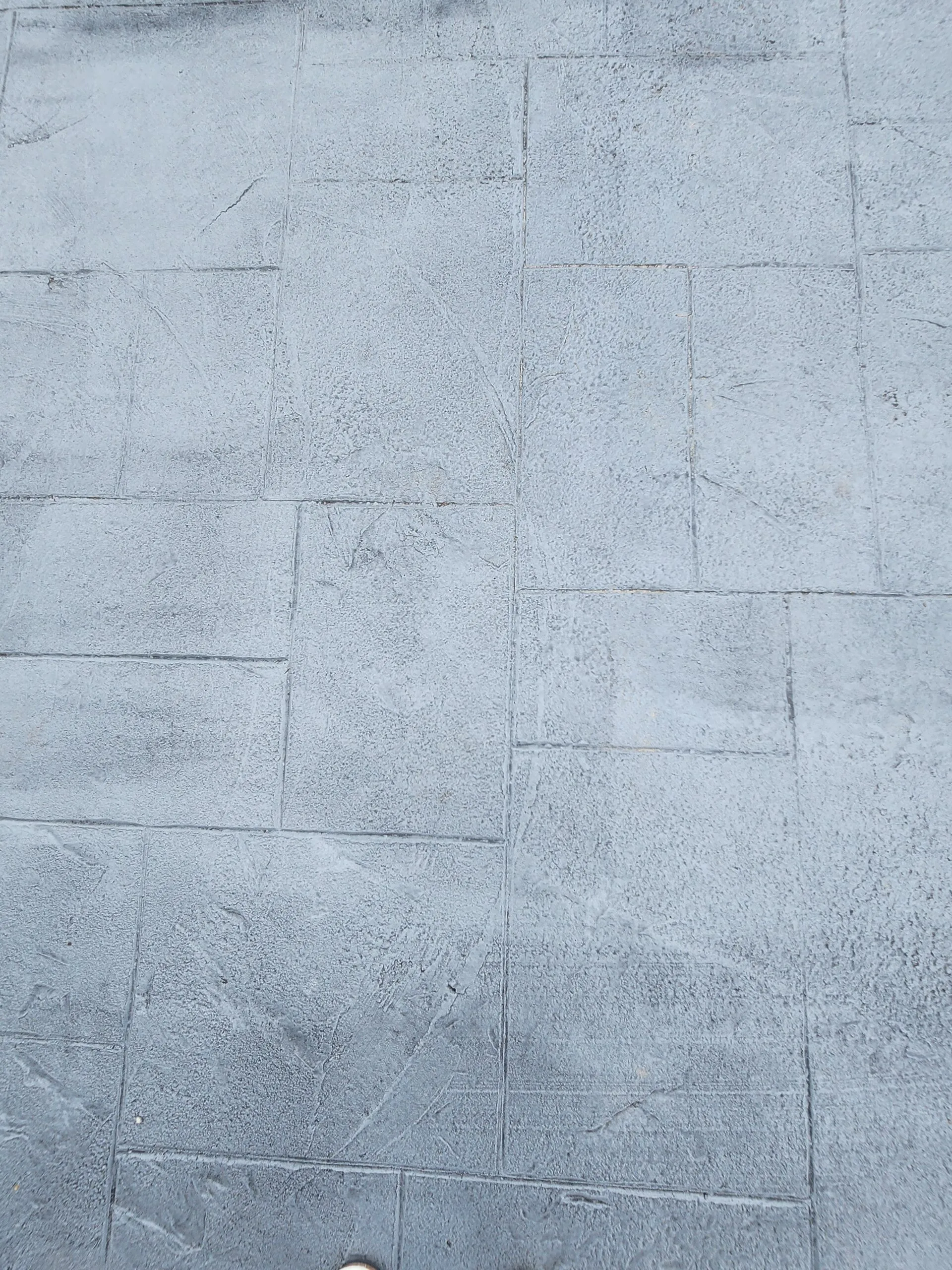
The types of decorative concrete options include stamped concrete, stained concrete, polished concrete, and exposed aggregate. These options enhance the aesthetic appeal of surfaces like patios, driveways, and walkways while providing durability and low maintenance.
How is stamped concrete installed properly?
Proper installation of stamped concrete involves preparing the base, pouring the concrete, applying color and stamps while the concrete is still wet, and sealing it once cured. This ensures durability and an attractive finish.
What is the lifespan of decorative concrete?
The lifespan of decorative concrete is typically between 25 to 30 years, depending on factors such as installation quality, maintenance, and environmental conditions. Proper care can significantly extend its durability and appearance.
How to repair cracks in concrete?
Repairing cracks in concrete involves cleaning the crack, applying a concrete patch or filler, and smoothing it out to ensure a seamless finish. For larger cracks, use a concrete repair compound for better durability.
How do I ensure a level concrete pour?
Ensuring a level concrete pour involves preparing a smooth, even base and using a screed board to level the concrete as it is poured. Regularly check with a level tool for accuracy throughout the process.
What are common mistakes in concrete installation?
Common mistakes in concrete installation include improper mixing ratios, inadequate site preparation, neglecting to use a vapor barrier, and failing to allow for proper curing time. These errors can lead to cracks, uneven surfaces, and reduced durability.